
What AI-generated content must companies label in 2026? In short, Article 50 of the EU AI Act requires a visible disclosure mainly for deceptive AI-generated images, video and audio, and for certain AI-generated or manipulated texts on matters of public interest. Text that has undergone substantive human review and carries clear editorial responsibility falls within the statutory exception. A sentence drafted with AI therefore does not automatically need a label.
This distinction matters for small and medium-sized businesses. Labelling every use of AI would be unnecessary and difficult to maintain in daily work. Having no rules is risky too. This article translates the new legal framework into common situations in marketing, public communications, customer service and sales. It offers practical orientation, but it does not replace legal advice on an individual case.
The short version for SMEs: visible labelling is primarily required for deceptive AI-generated images, video and audio, and for certain texts on matters of public interest when responsible human review is absent. Machine-readable marking, by contrast, is mainly the responsibility of the AI system provider.
The labelling duty does not cover every AI-generated item
Article 50 distinguishes between providers and deployers of an AI system. Providers develop a system or place it on the market under their own name. Deployers use the system professionally under their own responsibility. An SME using a purchased text or image generator will usually be a deployer. A company that develops its own customer-facing AI service or sells an adapted system under its own brand may itself become a provider.
That division explains two different duties. Providers of generative systems must generally make synthetic outputs machine-readable so that their artificial origin can be detected. Metadata and other robust provenance signals can serve this purpose. Companies publishing content must additionally make certain content clear and perceptible to people. For a deepfake, it is not enough to assume that invisible metadata exists somewhere in the file.
For a wider view of roles, risk classes and deadlines, see our article “EU AI Act from August 2026: What Actually Applies to SMEs”. Labelling is only one part of the regulation. Data protection, AI literacy and potential high-risk use cases remain separate concerns.
Which texts must SMEs label?
For text, the duty is narrower than many headlines suggest. It applies when an AI system generates or manipulates text that is published to inform the public about a matter of public interest. This can include political and social issues, public safety and health, consumer and environmental protection, and economic, scientific or cultural developments that may be part of public debate.
An automatically generated report about a local-government decision, an unchecked article on new legal requirements or an AI-generated public statement may therefore require disclosure. An ordinary product description, an internal email or a draft proposal does not fall under this particular disclosure duty merely because a language model contributed to it. Other rules, including competition, copyright and data-protection law, may still apply.
The exception for editorial work is particularly important. Text does not need a label under Article 50(4) if qualified people have genuinely reviewed or exercised editorial control over it and a natural or legal person assumes editorial responsibility. Spell-checking or a cursory read is not enough under the Commission guidelines. The responsible person must be able to assess the claims, facts and sources substantively and to amend or reject the text.
Practical example: If a company asks AI to write an article about new funding rules and publishes it without review, the text should be clearly labelled as AI-generated. If a qualified employee checks the original sources, corrects the claims and approves publication under editorial responsibility, the specific Article 50 text-labelling duty will generally not apply.
When images, video and audio count as deepfakes
For images, audio and video, the visible disclosure duty centres on deepfakes. These are AI-generated or manipulated items that resemble real or plausibly real people, objects, places, entities or events and could falsely appear authentic or truthful. Not every illustration or automated image correction is a deepfake.
The issue becomes relevant when synthetic content presents a fictional state as real. Examples include an AI image that makes an unbuilt office look like a genuine photograph, a synthetic customer voice used in a testimonial, or a video in which a managing director appears to make statements she never made. The same applies to product imagery that seems to show a real product, prototype or configuration even though the depiction was generated artificially.
An obviously abstract illustration, a recognisable cartoon or a routine colour and exposure correction will not normally mislead people about authenticity. For evidently artistic, satirical, fictional or similar works, the AI Act also allows a proportionate disclosure that does not impede the display or enjoyment of the work. Where the position is uncertain, a short and clear disclosure is often the more practical choice because it can build trust beyond the statutory minimum.
Unchecked text on a public-interest topic
A fully AI-generated article about politics, health, law or a material economic development must be labelled when substantive human review and editorial responsibility are absent.
Editorially reviewed expert article
A text reviewed by a qualified person and approved under clear editorial responsibility will generally fall within the exception for human review and editorial control.
Synthetic depiction of a real-looking situation
An AI-generated image, video or audio item that looks like an authentic record of a person, product, place or event must be recognisable as artificially generated or manipulated.
Obvious illustration or routine editing
A clearly recognisable illustration or ordinary technical edit without a material change in meaning does not automatically trigger the deepfake disclosure duty.
Chatbots and AI assistants also require transparency
The transparency duty is not limited to published files. AI systems that interact directly with people must be designed so that users can recognise from the start of the first interaction that they are communicating with AI. This covers chatbots, voice assistants and digital avatars. A plain notice such as “You are chatting with an AI assistant” is usually clearer in a standard business chat than a long legal explanation.
Under Article 50(1), the design duty generally lies with the provider of the interactive system. A company embedding a third-party chatbot on its website should still check whether the notice is actually visible in its own user journey. The exception for obviously recognisable AI interactions should be read cautiously. A friendly avatar with a human name may create precisely the opposite impression.
AI working only in the background does not trigger this interaction duty on that basis alone. If an employee uses a language model to prepare a draft, then checks and sends the message herself, the customer is still communicating with the employee. Clear data rules remain important when using such tools. See our article “Using ChatGPT in Your Company Without the Data Protection Risk”.
How companies can use the official EU icons
This review is current as of 19 August 2026. The European Commission last updated its official EU icon guidance on 10 August 2026. It provides three icons, each in four versions: black, white, and black or white at 50 per cent opacity. The basic icon indicates AI involvement in content covered by the rules. The two more specific versions distinguish fully AI-generated from partially AI-modified content. The icons are optional; clear disclosure remains mandatory in the cases covered. An icon alone does not establish compliance with every AI Act requirement.

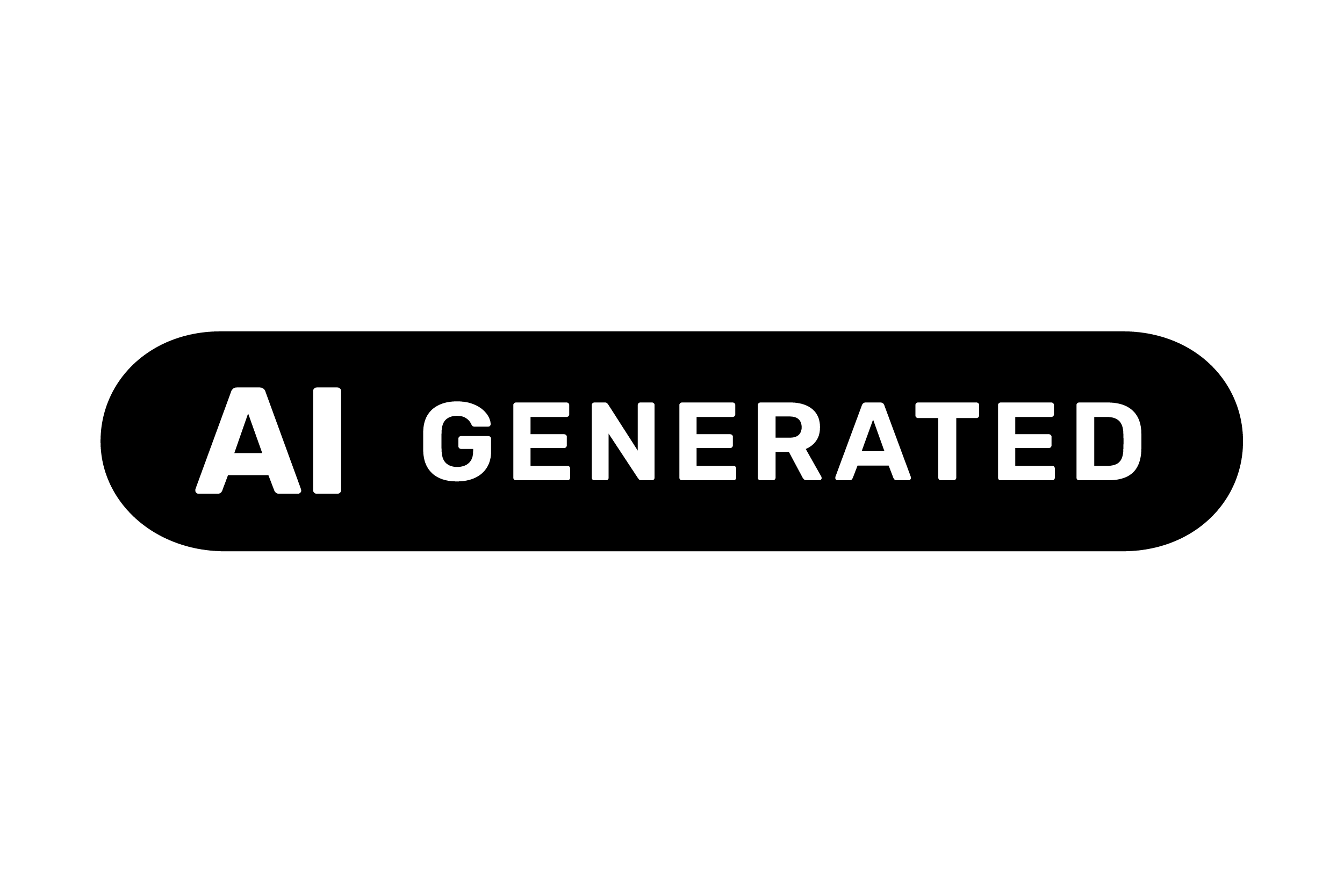
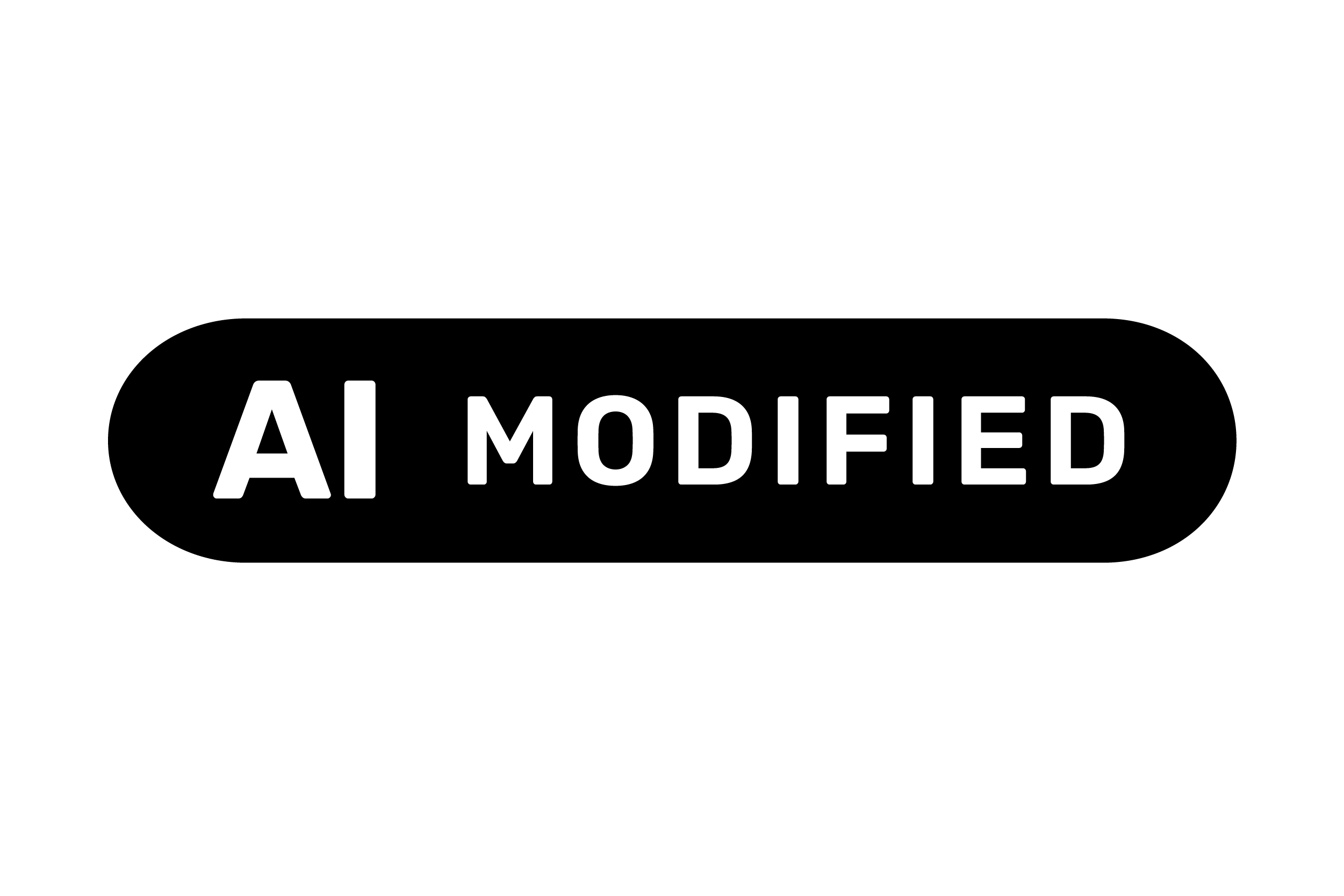
The Commission recommends showing the icon clearly, without obstructing overlays, no later than the first time a person encounters the content. For images and video, it should remain visible where possible when the content is downloaded or reshared. Plain accompanying text such as “Image fully generated with AI” improves comprehension; in the Commission’s user testing, the basic icon performed better with such a label. For accessibility, the Commission recommends a clearly visible size, plain language and, where possible, alt text or an ARIA label. Time-limited disclosures should remain visible long enough to be read and understood.
The EU icons may be used freely without attribution. Organisations that have not signed the voluntary Code of Practice should not use the icons in a way that suggests they have joined it. A clear text disclosure without an icon can also be sufficient if it is perceptible, unambiguous and accessible.
A lean labelling process for small businesses
SMEs do not need a large new compliance programme. They do need a repeatable process so that each social-media graphic or expert article is not reassessed from scratch. A practical process can follow five steps.
- Record the tools and channels in use. The company should know which teams use AI to create text, images, video, voices or chatbots, and where those outputs are published.
- Classify the content before publication. The responsible person should check whether the item is a deepfake, text on a matter of public interest, or a direct AI interaction.
- Document real editorial control. For public expert content, record who checked the facts and sources, made changes and approved publication.
- Define consistent disclosures. Store a short text template and the appropriate EU icons in website, social-media and video workflows so that they are not lost during export.
- Include agencies and freelancers. Contracts and briefs should state whether AI may be used, who records its involvement and who checks any required disclosure before publication.
These rules fit best in a short internal AI policy. If the first question is which processes should use AI at all, start with “Where to Start When You Don’t Yet Know Where AI Helps”. Treat labelling as part of approvals, data protection and accountability rather than an isolated marketing task.
What else matters from 2 August 2026
The new transparency obligations have applied since 2 August 2026. For machine-readable marking by providers, generative AI systems already placed on the market before that date have a limited transition period until 2 December 2026. This does not postpone every visible disclosure duty for companies publishing content.
According to the Commission’s explanations, content generated before 2 August 2026 does not have to be labelled retroactively. Voluntary labelling can still be useful where older synthetic images or video remain in active use in advertising, public relations or training and their artificial origin is not apparent.
Breaches of the AI Act can attract substantial fines. For SMEs, size and economic capacity must be taken into account proportionately. A sound process also protects credibility with customers, employees and business partners. Clear disclosure removes uncertainty about where AI contributed to a communication.
Sources and further information
- The binding starting point is Article 50 of Regulation (EU) 2024/1689 on EUR-Lex.
- The European Commission guidelines on transparency obligations explain roles, exceptions and typical cases.
- The voluntary Code of Practice on Transparency of AI-Generated Content describes practical measures for labelling and technical marking.
- The Cologne Chamber of Commerce overview provides a practical German-language summary for businesses.
Frequently asked questions about labelling AI-generated content
Does every text created with ChatGPT need a label?
No. The specific duty in Article 50(4) covers published text that informs the public about matters of public interest. It also does not apply where the content has undergone substantive human review or editorial control and a natural or legal person assumes editorial responsibility.
Does every AI-generated image need a label?
No. The visible duty focuses in particular on deepfakes that depict real or plausibly real people, objects, places or events and could falsely appear authentic. Obvious illustrations and immaterial routine edits do not automatically fall within it.
Do AI-generated product descriptions require labelling?
Ordinary product descriptions are not subject to Article 50 disclosure merely because AI contributed to them. They must still be accurate and may be governed by other rules. Realistic synthetic product imagery requires a separate assessment where it depicts a non-existent state as authentic.
Are the EU icons mandatory?
No. Use of the EU icons is voluntary. In the cases covered, the disclosure itself must be clear, unambiguous and accessible. Plain text can therefore be sufficient, while an icon without appropriate context does not automatically satisfy every legal requirement.
Where should the disclosure appear?
It must be clear no later than the first exposure or interaction. For images, a visible overlay or directly associated caption can work. For video and audio, the information should appear or be heard in time. A notice hidden only in the legal page will normally be too remote from a specific deepfake.
Must older AI-generated content be labelled retrospectively?
According to the Commission’s explanations, outputs generated before 2 August 2026 do not need retroactive marking or labelling. Voluntary disclosure remains advisable where the content is still in use and could otherwise be mistaken for an authentic recording or human-created information.
Is it enough for an agency to handle the label?
An agency can implement the disclosure operationally. The commissioning company should still define and monitor responsibilities, evidence and approvals in its contract because, depending on the context, it may itself be the deployer or the responsible publisher.


